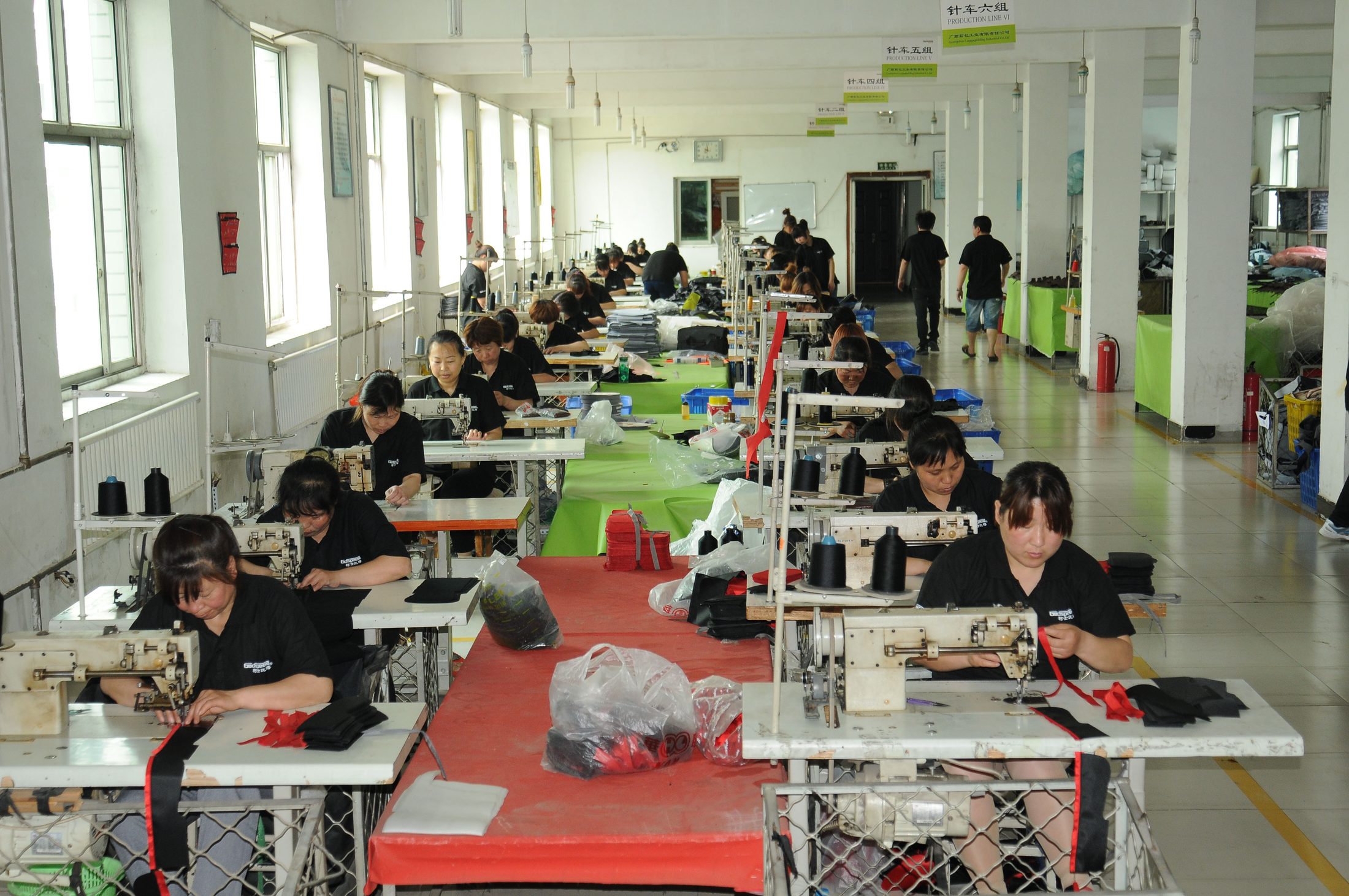
An OEM bag project usually follows a step-by-step process. When every stage is confirmed clearly, overseas buyers can reduce misunderstandings and improve delivery reliability.
1. Requirement review
The buyer shares bag category, size, reference photos, materials, logo method, quantity and target market. The factory reviews feasibility, structure and estimated cost range.
2. Material and structure selection
For backpacks, sports bags, camera bags and equipment cases, material choices affect cost, durability and product positioning. Fabric, lining, padding, zippers, buckles and inner dividers should be confirmed early.
3. Sample making and confirmation
The sample stage checks shape, dimensions, logo placement, sewing details and function. Buyers should give consolidated comments so the final approved sample can guide bulk production.
4. Mass production and inspection
Production includes material preparation, cutting, sewing, assembly, cleaning, inspection and packing. A reliable factory should check both appearance and functional details before shipment.
5. Packing and export communication
Carton marks, packaging method, shipment plan and export documents should match the buyer's channel requirements. Clear communication is especially important for wholesale and private-label programs.
Guangshun Bags supports overseas OEM and ODM bag projects with a complete workflow from sample development to shipment-ready production.