A wet/dry compartment can be useful in a custom sports duffel, but the phrase alone does not tell a factory what belongs in the section or how the user will access it. For an overseas brand or wholesale program, begin with the actual post-training load: damp clothing, shoes, toiletries, clean clothing and small essentials. This guide helps turn that list into a sample-ready brief. It does not promise water resistance, odor control, carrying capacity, price or delivery time.
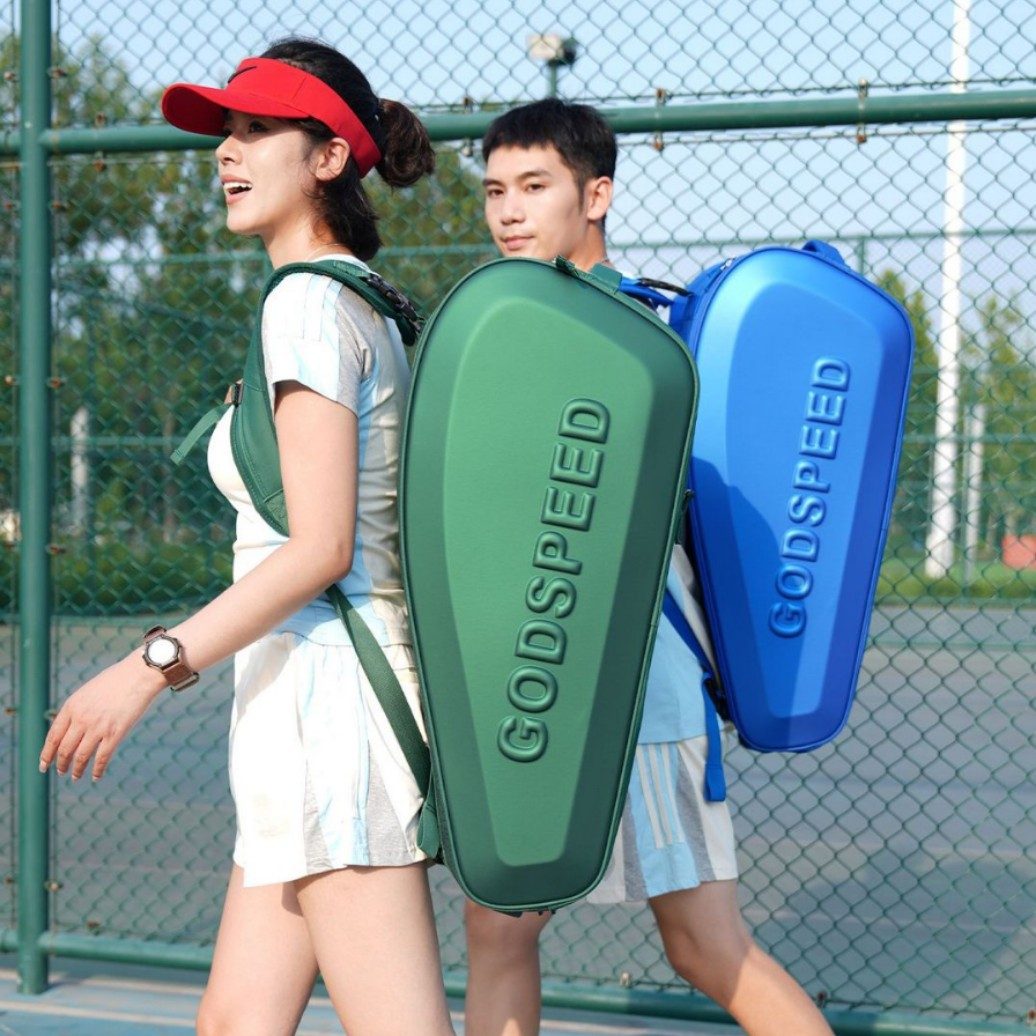
The cover photograph shows a sports carry-bag reference, not a wet/dry duffel model or an approved production specification.
Start with the items that need to stay apart
List the items that should not share the same space after activity. A training kit may include damp apparel, footwear, a towel, a bottle, clean clothes, keys and a phone. Ask the project team to decide which separation matters most. For one user, shoes may be the priority; for another, the main concern may be keeping a fresh change of clothes away from used apparel.
Record each item in the condition in which it will be packed. A pair of shoes, for example, may take up more space when it is placed in a supplied shoe pouch. A damp towel may be folded differently from a clean towel. Reference photographs and a simple item list make the first sample conversation more concrete than a request for a generic sports bag.
Define the compartment's job before its shape
A separated section can be placed at the end of the bag, along one side, behind a panel or inside the main compartment. Each option changes how the remaining space is packed. Write down the intended packing sequence: which item goes in first, which item must be reached quickly and whether the section must be opened while the bag is on the floor, in a locker or carried on the shoulder.
Use a small layout record such as this one:
| Area | Intended contents | Question for sample review |
|---|---|---|
| Main compartment | Clean clothing and larger gear | Can the planned load be packed without blocking the main opening? |
| Separated section | Items that should be kept apart | Can the user load and remove these items without unpacking clean contents? |
| Shoe area | Actual footwear or supplied shoe pouch | Does the opening allow the intended footwear to pass through comfortably? |
| Small-item pocket | Keys, card holder or phone | Is the location easy to reach while the bag is carried? |
This is a planning worksheet, not a fixed set of dimensions. The sample should confirm usable space around the buyer's real items.
Treat closure and access as separate decisions
A compartment opening should be reviewed for its everyday task, not only for its appearance. Note whether the user will open it with the bag laid flat, standing upright or hanging from a hook. Decide whether the contents need a wide opening, a narrow side opening or a top opening. If there is a divider between sections, include it in the drawing and mark which side holds each item.
Avoid assuming a feature's performance from its name or material appearance. If a project needs a particular level of separation, easy cleaning or another performance outcome, record that as an open requirement and ask the factory how it can be evaluated for the selected materials and construction.
Review the complete packing scenario on the sample
Do not test the separated section only when the rest of the bag is empty. Pack the complete intended training load, then ask a representative user to follow the planned sequence. Observe whether the bag remains practical when the main compartment, shoe area and small pockets are all in use.
Use the same checklist for each sample revision:
- Pack the full item list, including any supplied pouches or containers.
- Load the items intended to stay separate, then confirm that clean contents remain accessible.
- Open and close each area with the rest of the bag filled.
- Retrieve the shoes, towel and small essentials in the planned order.
- Note any item that forces another item to be removed first.
- Photograph the issue and reference the affected panel or pocket number in the feedback log.
These are functional packing checks. They are not proof of a material, hygiene or durability claim. Requirements for performance, branding, packaging and commercial terms should be confirmed for the individual project.
Send one organized request for OEM review
For a custom sports bag inquiry, provide the target user, complete packing list, reference dimensions, layout sketch, branding artwork, expected quantity and destination market. Mark undecided choices as questions rather than treating them as approved details. This helps the sample review focus on the layout that matters to the buyer.
Explore custom sports bag options and the OEM / ODM workflow. When the item list and layout are ready, contact Guangshun Bags to discuss a sports duffel development project.