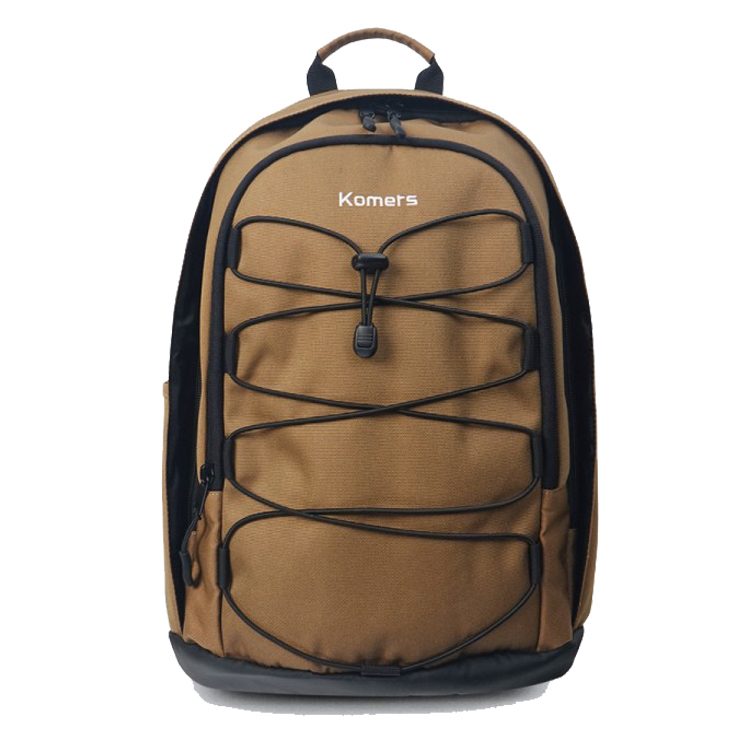
A custom bag sample can receive comments from purchasing, product design and the people who will use it. Those comments may arrive in separate emails, photographs and messages. If one person asks for a deeper pocket while another approves the previous layout, the next sample can become difficult to evaluate. A shared revision log gives each requested change a reference, an owner and a clear review result.
This guide proposes a buyer-side working method. Agree the actual development stages, charges and approval responsibilities with your supplier for each project.
Identify the exact sample before commenting
Start the review with a sample reference, project name, revision number and review date. Record the version of the drawing or specification used to make that sample. If different sizes or colors are under review, identify each one separately. A comment on one version should not silently become an instruction for every version.
Take an overall photograph and add close-up photographs for the specific areas under discussion. Label the images so that the revision log can refer to a stable photo number. Keep the original photograph alongside any marked copy; annotations should explain the requested change without hiding the existing construction.
For a custom laptop backpack, for example, identify the exact sleeve, pocket or strap under review rather than writing only that the bag needs more space. The photograph is a location reference, not a replacement for dimensions and an agreed measurement method.
Give each requested change its own row
Use one row per decision. Separate an observation about the sample from the requested outcome, then ask the supplier to confirm the proposed implementation. Avoid combining several unrelated changes into a single instruction such as improve the front panel.
| Field | What the buyer should record |
|---|---|
| Change ID | A unique reference that stays with the issue until closure |
| Component and photo | The exact part and the image showing its location |
| Current observation | What was seen or measured on the identified sample |
| Requested outcome | The desired dimension, arrangement or appearance |
| Priority | Required correction, optional improvement or question |
| Supplier response | Feasibility, dependencies and any effect on the quotation or schedule |
| Decision owner | The person responsible for confirming the final instruction |
| Next review result | Accepted, still open or withdrawn, with supporting evidence |
If a requested outcome depends on a particular laptop, tool or accessory, identify the item or reference sample used for the fit review. Do not describe a fit requirement only as suitable for most devices.
Resolve conflicting feedback before issuing a revision
Collect comments into one controlled list before sending the next instruction set. Have the buyer's decision owner resolve disagreements, including differences between the drawing and a marked photograph. Keep unresolved questions visibly open instead of guessing which message takes priority.
Ask the supplier to flag connected changes. Moving a pocket may affect a nearby opening or internal divider; the exact effect depends on the construction. Request an explanation and revised reference where needed. A proposed change should remain pending until both sides understand what will be made and any commercial consequences.
Compare the next sample against both changes and retained features
At the next review, use the same change IDs. Check the requested result against the new sample and attach a new photograph or measurement record. A response that says completed is useful for tracking, but the buyer still needs to review the actual outcome.
Also inspect features that were meant to remain as approved. Record which materials, layout details and markings are retained, and reference the applicable approval documents. The material swatch approval guide can help keep material decisions separate from construction comments.
Close the review with a clear decision
Before moving to the next agreed stage, record the accepted sample version, closed changes and any remaining exceptions. Confirm whether an exception requires another sample, revised documentation or a different action. Do not assume that silence, a received parcel or an informal positive comment establishes approval for bulk production.
Keep the revision log with the relevant photographs, drawings and commercial confirmations. For the broader sequence, see the OEM bag production overview. To discuss a project with Guangshun Bags, send your design references and sample requirements so the scope of the review can be agreed.